

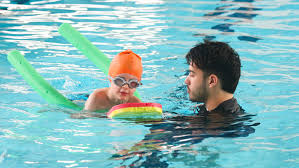
Parents often watch a lesson and wonder why their child looks tired so quickly. The child might only swim a short distance, yet they come out of the pool puffing, clinging to the wall, or saying their legs hurt. Some parents then assume their child is unfit, lazy, or not trying. In my experience, that is rarely the case. Swimming fitness is not the same as running fitness or football fitness. Water changes how the body works. It adds resistance, changes breathing patterns, and asks children to control their posture in a way they do not usually practise on land. This is why parents searching for swimming lessons near me often benefit from programmes that teach confidence and body position first, not just movement. If you want to see what that kind of structure looks like, start with swimming lessons near me.
I’ve watched many children build swimming stamina over time, and the pattern is clear. The children who improve fastest are not always the ones who push hardest. They are often the ones who learn to relax, breathe calmly, and hold their body in a stable position. When those foundations are in place, fitness follows naturally. This post explains what swimming fitness really is for children, what parents commonly misunderstand, and how the right approach helps children build stamina without pressure.
Swimming uses energy in a different way
On land, children can stop and rest at any time. They can stand still and breathe. In water, rest is harder. Even in shallow water, the body is working to stay balanced. In deeper water, children must float or tread, which uses energy even when they are not moving forward.
Water also pushes back. Every movement meets resistance. A small kick in water costs more energy than the same motion in air. For beginners, that resistance feels heavy, and it can tire them quickly.
This is why a child may look tired after only a few minutes in the pool. It does not mean they are unfit. It often means their body is still learning how to move efficiently in water.
Tension is the biggest stamina killer
When children feel unsure, they tense up. Tension makes swimming harder. It tightens shoulders, stiffens legs, and disrupts breathing. This increases fatigue fast.
You can often spot tension through:
- A head held too high
- Shoulders up near the ears
- Legs kicking wildly or locking straight
- Clinging to the wall between attempts
- A fast, rushed breathing pattern
A tense child burns energy faster than a relaxed child. This is why confidence is linked to fitness. The calmer the child feels, the less energy they waste.
Breath control shapes endurance
Breathing is central to swimming stamina. Many children hold their breath without realising. They do it because water on the face feels unfamiliar. Breath holding increases tension and causes quick fatigue.
In swimming, good endurance comes from steady exhaling and controlled breathing patterns. Children who learn to blow bubbles, put their face in comfortably, and breathe without panic often build stamina quickly.
Parents sometimes think stamina will improve through “more lengths”. In reality, stamina improves through calmer breathing and better body position first.
Body position can make a fit child look unfit
When a child’s body position is poor, they work twice as hard for half the result. This often happens when the head is lifted to breathe. The hips sink. The legs drop. The child ends up swimming in a slanted posture that creates drag.
Drag is what drains energy.
A child with good body position glides. A child with poor body position fights the water. Even if the child is fit on land, they will still tire quickly if they are fighting drag.
This is why many children look tired early on. It is not fitness. It is technique linked to confidence and breathing.
Swimming fitness is built through efficiency, not effort
Parents sometimes say, “They just need to work harder”. In swimming, harder effort often makes things worse. It increases tension, increases splash, and makes breathing less controlled.
Swimming fitness is built by learning to move efficiently. That means:
- A long body position
- Relaxed breathing
- Calm kicks from the hips
- Smooth arm movements
- Resting when needed without panic
When these skills improve, a child can swim longer without needing to “try harder”.
Why beginners often feel tired after one attempt
Many lessons include short swims followed by rest at the wall. For beginners, even one attempt can feel demanding because they are combining multiple tasks at once.
They must:
- Control breathing
- Maintain balance
- Kick
- Coordinate arms
- Keep calm
- Listen for instruction
That is a lot for a child to manage, especially in a noisy pool. Mental effort contributes to fatigue as well. A child may be physically capable, but mentally overwhelmed, which makes them feel drained.
Over time, these tasks become automatic, and fatigue reduces.
The role of confidence in building stamina
Confidence has a direct link to stamina because confidence reduces panic responses. A confident child will slow down, float, and recover. An anxious child will rush, tense up, and tire quickly.
This is why I pay close attention to how a programme teaches early skills. The best programmes build calm behaviour and water comfort before chasing distance. If you want to see how this looks in practice, the structure described on swimming lessons is a useful reference, because it shows a steady progression that supports confidence and control.
Parents often confuse short bursts with poor fitness
Many children swim in short bursts because they feel safer that way. They rush to the wall. They grab on. They breathe fast. Then they want a break. This looks like low fitness.
In reality, it often shows that the child has not yet learned how to rest in water. Resting in water is a skill. It includes floating calmly, holding onto the wall without fear, and controlling breathing.
When children learn to rest, their stamina increases because they stop seeing each attempt as an emergency.
Why swim stamina can drop after holidays
Parents often notice that stamina and confidence drop after a break. This does not mean the child has lost all progress. It means the body needs a reminder.
Water confidence fades faster than land fitness because water sensations are unique. A few steady sessions usually restore comfort. Once comfort returns, stamina often returns quickly.
This is another reason why consistent attendance matters for children.
Pool temperature can affect stamina
Cold water increases muscle tension. Tense muscles fatigue faster. This is why children often appear to struggle more in colder pools.
Warm teaching pools support stamina because children relax. They can focus on breathing and technique rather than discomfort. If a child always looks tired early, the pool environment may be part of the reason.
Why “strong kick” advice can backfire
Parents sometimes tell children to kick harder to go further. In many cases, this leads to thrashing, splash, and fast fatigue.
A better kick is controlled and steady. It comes from the hips with relaxed ankles. It supports body position rather than trying to create speed. When instructors teach this well, children improve stamina without needing to kick harder.
How to tell if tiredness is normal or a concern
Most tiredness in early swimming is normal. It is part of learning. The child is adapting to a new environment and new movement patterns.
Signs tiredness is likely normal include:
- The child recovers quickly after a short rest
- The child stays willing to try again
- The child remains calm but says they feel tired
- The tiredness improves over several weeks
If a child becomes distressed, breathless, or very upset, it may be more about fear than fitness. In that case, confidence work becomes the priority.
What parents can do to support swimming fitness
Parents do not need to coach technique. The best support is calm routine and consistent attendance. Children build stamina through repetition and confidence.
A few practical home supports include:
- Keep lesson day routines calm and predictable
- Avoid pressure about distance
- Praise calm breathing and effort
- Let instructors lead technique cues
- Encourage gentle water play when possible without turning it into training
The aim is to keep swimming positive. A positive child returns to lessons ready to learn.
Why the right programme matters
Some programmes push children too fast into distance work. This can increase fatigue and reduce enjoyment. Other programmes build stamina through confidence, breathing, and body position first.
From what I have observed, structured programmes that focus on foundations tend to produce children who swim further with less effort.
If you are based locally and looking for swimming lessons in Leeds, it is worth reviewing local options at swimming lessons in Leeds. A clear, steady progression makes swimming fitness easier to build over time.
A sensible way to think about swimming stamina
Swimming stamina is not a fixed trait. It is built through comfort, control, and repetition. Children who look tired early on are often not unfit. They are often learning how to breathe, float, and move with less tension.
Once these foundations settle, stamina improves in a way that feels natural. The child swims further without panic, rests without fear, and enjoys the water more.
That is the real goal. Safe, calm swimming that lasts longer because it does not rely on rushing or effort alone.